Unraveling The Mystery: Is Elizabeth Holmes On The Spectrum?
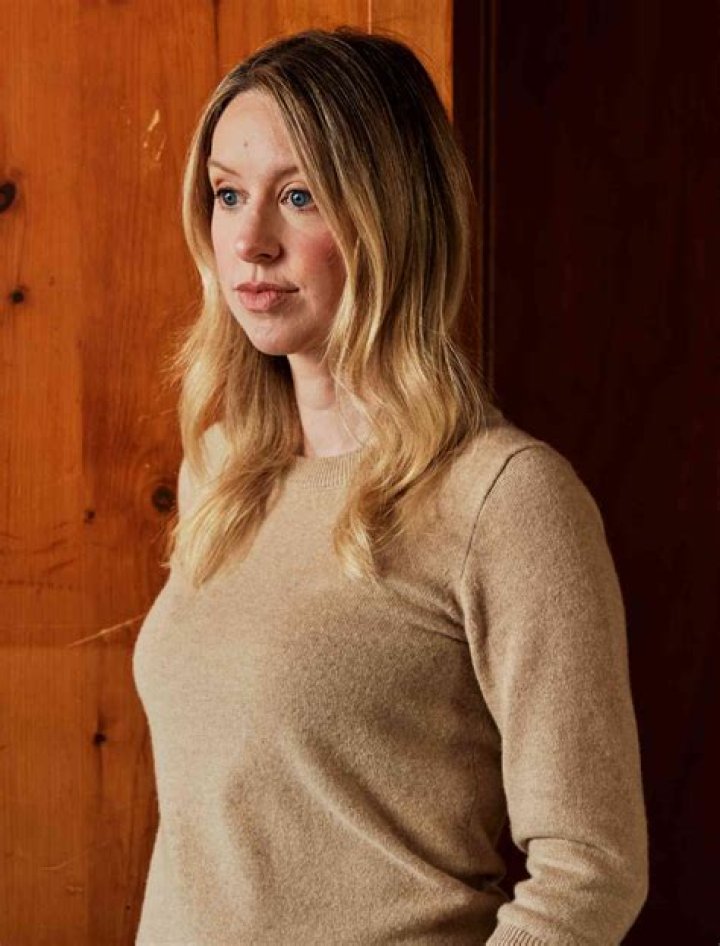
In the realm of innovation and entrepreneurship, few stories have captivated the public's imagination quite like that of Elizabeth Holmes. As the founder of Theranos, a health technology company that promised to revolutionize blood testing, Holmes became a figure of both admiration and controversy. Her rise to fame was meteoric, but it was soon followed by a dramatic fall from grace, as allegations of fraud and deception came to light. This rollercoaster journey has led many to question not only her professional decisions but also her personal traits and characteristics. Among the numerous inquiries that have emerged, one particularly intriguing question stands out: Is Elizabeth Holmes on the spectrum?
Understanding the complexities of autism spectrum disorder (ASD) is essential when analyzing the behaviors and traits often associated with individuals who may fall within this spectrum. ASD is a developmental disorder that affects communication, behavior, and social interactions. It is important to approach this topic with sensitivity and awareness, as labeling someone without professional evaluation can perpetuate stigma and misconceptions. Nevertheless, the question remains: does Elizabeth Holmes exhibit characteristics that align with those often seen in individuals on the spectrum?
In this article, we will delve into the life and experiences of Elizabeth Holmes, exploring her biography, personal details, and the attributes that have sparked discussions about her potential association with the autism spectrum. By examining her behaviors, public persona, and the circumstances surrounding her rise and fall, we aim to shed light on this complex and often misunderstood topic. Join us as we seek to answer the question, "Is Elizabeth Holmes on the spectrum?"
What is Elizabeth Holmes' Biography?
Elizabeth Holmes was born on February 3, 1984, in Washington, D.C. Raised in a well-to-do family, she showed a strong interest in science and technology from a young age. She attended Stanford University, where she studied chemical engineering. In 2003, at the age of 19, she founded Theranos with the ambitious goal of making blood testing more accessible and efficient. Her vision garnered significant attention, leading to partnerships with major companies and a peak valuation of $9 billion. However, the company's downfall came when investigations revealed that its technology was not as groundbreaking as claimed, resulting in legal challenges and public scrutiny.
| Personal Details | Information |
|---|---|
| Name | Elizabeth Holmes |
| Date of Birth | February 3, 1984 |
| Place of Birth | Washington, D.C. |
| Education | Stanford University (Chemical Engineering) |
| Company Founded | Theranos |
| Net Worth at Peak | $9 billion |
What Behaviors Have Led to Speculation About Elizabeth Holmes?
Throughout her career, Elizabeth Holmes has exhibited certain behaviors that have prompted speculation regarding whether she might be on the autism spectrum. Some of these behaviors include:
- Exceptionally focused and driven, often to the point of obsession.
- Difficulty in maintaining eye contact during public speaking engagements.
- Social interactions that can come across as awkward or unconventional.
- Intense passion for her work, sometimes at the expense of personal relationships.
How Do These Behaviors Align with Traits Commonly Associated with ASD?
Many individuals who fall on the autism spectrum display a range of characteristics that can include challenges in social communication, restricted interests, and repetitive behaviors. While not every person with ASD will exhibit the same traits, some of Holmes' behaviors may resonate with those commonly observed in individuals on the spectrum. For instance, her intense focus on her work and her reported discomfort in social situations could be interpreted as indicative of such traits.
Is Elizabeth Holmes on the Spectrum? What Do Experts Say?
Asking whether Elizabeth Holmes is on the spectrum invites complex discussions that require careful consideration. Experts in psychology and psychiatry emphasize the importance of professional evaluation when discussing the potential for ASD. Without a formal diagnosis from a qualified professional, it is impossible to definitively label an individual as being on the spectrum.
What Are the Implications of Labeling Someone as Being on the Spectrum?
Labeling someone without a diagnosis can have far-reaching consequences, not only for the individual in question but also for public perception of autism. It can perpetuate stereotypes and misunderstandings about the spectrum and may lead to undue stigma. As society becomes more aware of neurodiversity, it is crucial to approach these discussions with care and consideration, recognizing the individuality of each person's experience.
Could Elizabeth Holmes' Story Contribute to a Broader Understanding of Autism?
Regardless of whether Elizabeth Holmes is on the spectrum, her story sheds light on the challenges faced by individuals in high-pressure environments. It also prompts conversations about the importance of understanding and supporting neurodiversity in workplaces and society at large. By examining the intersection of ambition, innovation, and personal traits, we can foster a more inclusive dialogue about the experiences of those who may not fit conventional norms.
What Can We Learn from Elizabeth Holmes' Journey?
Elizabeth Holmes' trajectory serves as a cautionary tale about the balance between ambition and ethics. As we reflect on her experiences, we are reminded of the importance of transparency and integrity in business. Her story encourages us to consider how we define success and the values we uphold in our pursuit of innovation. Furthermore, it invites us to embrace and celebrate the diverse array of human experiences that shape our world, including those of individuals who may be on the autism spectrum.
How Can We Foster Inclusivity for Neurodiverse Individuals in the Workplace?
Creating an inclusive environment for neurodiverse individuals, whether on the autism spectrum or otherwise, requires intentional effort. Here are some strategies that organizations can adopt to support neurodiversity:
- Implement flexible work arrangements that allow for varied working styles.
- Provide training and resources for staff to understand and appreciate neurodiversity.
- Create mentorship programs that connect neurodiverse individuals with experienced professionals.
- Encourage open communication and feedback to foster a supportive workplace culture.
What Does the Future Hold for Elizabeth Holmes?
As Elizabeth Holmes continues to navigate the aftermath of her high-profile legal battles, the public remains fascinated by her story. Whether or not she is on the autism spectrum, her experiences highlight the complexities of human behavior and the challenges that accompany ambition. As society grapples with questions about ethics, transparency, and inclusivity, Holmes' journey serves as a poignant reminder of the need for understanding and empathy in both business and personal contexts.
In conclusion, the question of whether Elizabeth Holmes is on the spectrum remains open to interpretation and discussion. Her life story is a tapestry of ambition, innovation, and controversy, inviting us to explore the nuances of human behavior and the diverse ways in which we experience the world around us. As we seek to answer the question, "Is Elizabeth Holmes on the spectrum?" we also acknowledge the broader implications of understanding and supporting neurodiversity in our society.
Lorenzo Zurzolo: The Rising Star Of 2024
Kylie Kelce: Unveiling The Height And More
The Joyful Journey Of The Seven Little Johnstons Baby