Understanding The Unwritten Rules Of Movies
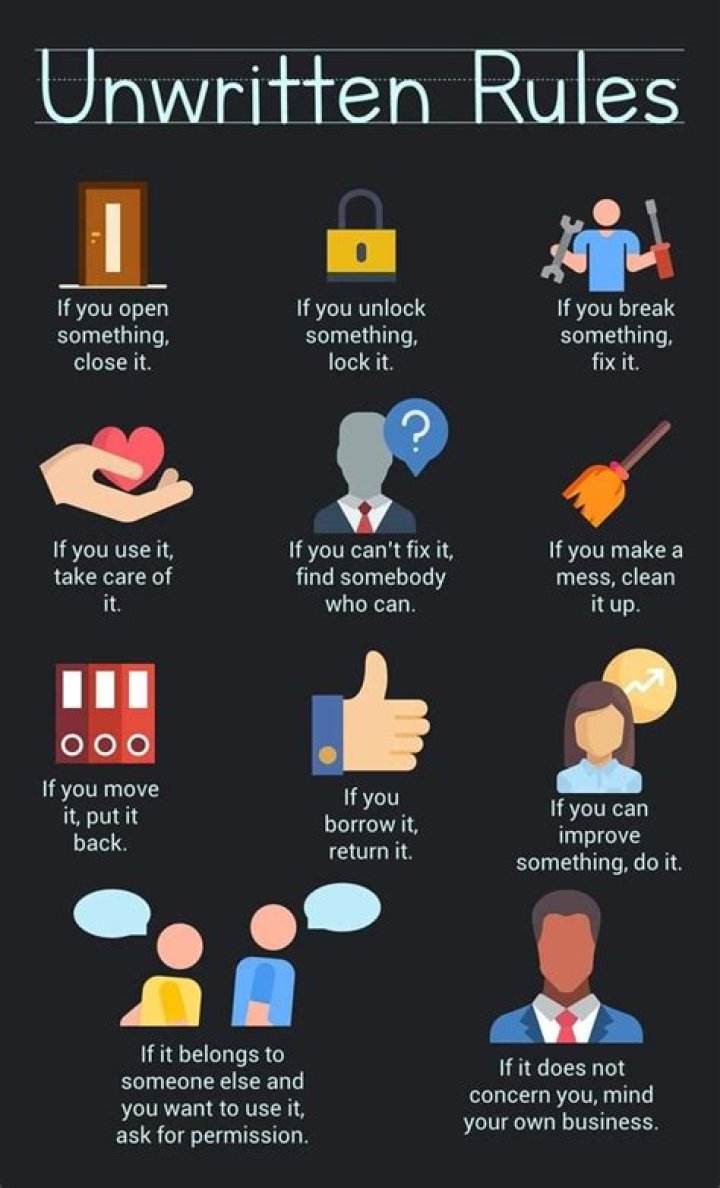
Movies have a unique ability to transport us to different worlds, evoke a range of emotions, and tell stories that resonate with our own lives. However, behind the magic of filmmaking lies a set of unspoken rules that guide the industry and shape the viewing experience. These 'movies rules' often dictate not just how films are made, but also how audiences perceive and engage with them. Whether you're a cinephile or a casual viewer, understanding these rules can enhance your appreciation for the art of cinema.
From the moment a script is penned to the final cut that graces the screen, various principles govern the filmmaking process. Directors, writers, and actors adhere to these guidelines to create cohesive narratives, develop relatable characters, and deliver impactful messages. The beauty of movies often lies in their subtlety; the rules are not always overt but serve as the foundation upon which great films are built. By exploring these 'movies rules,' we can gain insight into what makes certain films resonate more than others.
Moreover, as audiences, we too have our own set of expectations and understandings when it comes to films. We subconsciously look for elements that align with established conventions, which can sometimes lead to disappointment when a movie defies those norms. By learning about these unwritten rules, we can better navigate our cinematic experiences, making us more informed viewers who can appreciate the nuances in storytelling and filmmaking. So, what are some of the most crucial 'movies rules' that filmmakers and audiences alike should consider?
What Are the Key Movies Rules Every Filmmaker Should Know?
Understanding the foundational rules of filmmaking is essential for anyone looking to create compelling cinema. Here are some key 'movies rules' that every aspiring filmmaker should keep in mind:
- Three-Act Structure: Most films follow a three-act structure, which includes setup, confrontation, and resolution.
- Character Arcs: Characters should undergo significant development throughout the film, providing audiences with a relatable journey.
- Show, Don’t Tell: Visual storytelling is crucial; filmmakers should convey emotions and themes through imagery rather than exposition.
- Conflict is Essential: Every story needs conflict to propel the narrative and keep viewers engaged.
- Theme Matters: A well-defined theme adds depth and meaning to the story, making it more impactful.
How Do Movies Rules Impact Audience Expectations?
Movies rules not only shape the filmmaking process but also influence how audiences experience and interpret films. Audiences come with their own set of expectations based on established conventions. For instance, viewers might anticipate a happy ending in romantic comedies or a climactic battle in action films. When filmmakers adhere to these expectations, it can lead to a satisfying viewing experience. However, when movies diverge from these norms, it can evoke strong reactions—both positive and negative.
Why Do Some Movies Break the Rules?
Many filmmakers choose to break movies rules intentionally to challenge conventions and create innovative storytelling. By doing so, they can provoke thought, elicit strong emotional responses, and encourage discussions about the themes and messages presented in their films. Some notable examples include:
- "Pulp Fiction": Quentin Tarantino's nonlinear narrative structure challenged traditional storytelling.
- "Inception": Christopher Nolan's complex layers of reality pushed the boundaries of audience comprehension.
- "The Blair Witch Project": This film redefined horror by using a found-footage style that broke the fourth wall.
What Are the Movies Rules for Genre-Specific Films?
Different genres come with their own set of movies rules that filmmakers often follow to meet audience expectations. Here are some genre-specific guidelines:
- Horror: Build suspense through pacing, use jump scares effectively, and ensure a satisfying resolution.
- Romantic Comedies: Introduce relatable characters, create romantic tension, and end with a heartwarming conclusion.
- Thrillers: Incorporate twists and turns, maintain a fast pace, and focus on character motivations.
How Do Movies Rules Evolve Over Time?
As society changes, so do the movies rules. Filmmakers are continually influenced by cultural shifts, technological advancements, and evolving audience sensibilities. This evolution can lead to the emergence of new genres, storytelling techniques, and cinematic styles. For example, the rise of streaming services has altered how movies are consumed and produced, allowing for more diverse narratives and experimental formats.
Can Movies Rules Enhance the Viewing Experience?
Understanding movies rules can significantly enhance the viewing experience for audiences. When viewers recognize and appreciate the techniques and conventions used by filmmakers, they can engage more deeply with the story. This awareness can heighten emotional responses, foster discussions about themes, and lead to a greater appreciation for the art form.
What Are Some Common Misconceptions About Movies Rules?
Despite the importance of movies rules, there are several misconceptions that can mislead audiences:
- All Good Movies Follow the Same Rules: While many successful films adhere to established conventions, creative storytelling often involves bending or breaking these rules.
- Movies Must Have a Clear Moral Message: Not all films need to convey a moral lesson; some are meant to provoke thought without clear answers.
- Blockbusters Are Superior to Indie Films: Success is subjective; many indie films offer unique perspectives that challenge mainstream narratives.
Conclusion: Embracing the Movies Rules
In conclusion, the 'movies rules' encompass a wide range of principles that influence both filmmaking and audience perception. By understanding these rules, filmmakers can craft compelling narratives that resonate with viewers, while audiences can enhance their appreciation of the art of cinema. As the industry continues to evolve, the interplay between established conventions and innovative storytelling will shape the future of film, ensuring that movies remain a powerful medium for storytelling and cultural reflection.
Unveiling The Life Of Reece Walsh And His Twin Brother
Exploring The Life Of Luke Kleintank's Wife
Exploring The Connection: Elon Musk And Kai Musk