Remembering Clint Eastwood: A Legacy Beyond His Years
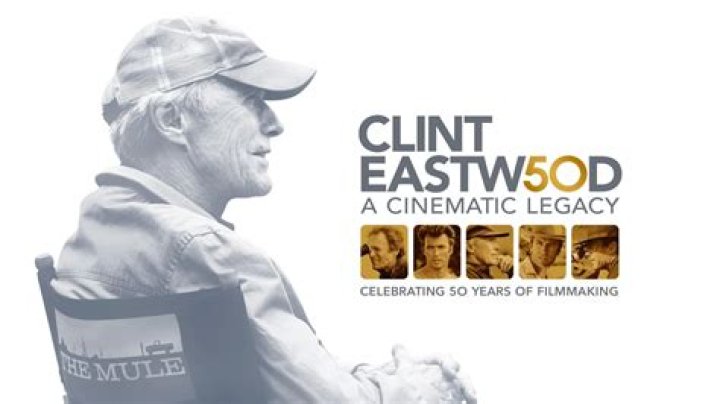
Clint Eastwood, an iconic figure in Hollywood, has left an indelible mark in the world of cinema. Known for his rugged charm and versatile talent, Eastwood has captivated audiences for decades through his performances as an actor, director, and producer. His unique blend of charisma and grit has made him a household name, and as fans grapple with the hypothetical scenario of Clint Eastwood passing away, they are reminded of the vast legacy he has built throughout his illustrious career.
As we explore the life and career of this legendary star, we not only celebrate his achievements but also reflect on what his absence would mean for the film industry and his fervent fan base. The discussions surrounding Clint Eastwood's potential passing often evoke a sense of nostalgia, prompting many to revisit his classic films that have left an enduring impact on culture and society. In this article, we will delve into Eastwood's biography, his most memorable roles, and the influence he has had on the cinematic landscape.
In contemplating Clint Eastwood's legacy, we must also consider the personal details that shaped him into the man he is today. From his early life in California to his rise as a Hollywood powerhouse, Eastwood's journey is a testament to his unwavering dedication and talent. As we ponder the notion of Clint Eastwood passing away, we recognize that his spirit and contributions to film will continue to resonate with audiences long after his time on Earth.
What is Clint Eastwood's Biography?
Born on May 31, 1930, in San Francisco, California, Clint Eastwood grew up in a modest household. His father was a steelworker, and his mother was a factory worker. Eastwood's early life was marked by a passion for music and the arts, which would later evolve into a successful career in acting and filmmaking. He gained fame in the late 1950s and early 1960s through his role as Rowdy Yates in the television series "Rawhide" before transitioning to film stardom with iconic roles in spaghetti westerns.
| Personal Details | Bio Data |
|---|---|
| Name | Clint Eastwood |
| Date of Birth | May 31, 1930 |
| Birthplace | San Francisco, California, USA |
| Occupation | Actor, Director, Producer |
| Years Active | 1955 – Present |
| Notable Works | The Good, the Bad and the Ugly, Unforgiven, Million Dollar Baby |
How Did Clint Eastwood Become a Hollywood Icon?
Clint Eastwood's journey to Hollywood stardom was not without its challenges. After starting his career in minor roles, he gained recognition for his performance in Sergio Leone's "Dollars Trilogy," which included classics like "A Fistful of Dollars" and "For a Few Dollars More." These films established Eastwood as a leading man in the Western genre, showcasing his stoic demeanor and rugged persona.
As his career progressed, Eastwood began to showcase his talents behind the camera as well, directing films such as "Unforgiven," which won multiple Academy Awards, including Best Picture and Best Director. His ability to seamlessly transition between acting and directing has solidified his status as a multifaceted artist in the entertainment industry.
What Are Clint Eastwood's Most Memorable Films?
Clint Eastwood's filmography is extensive and varied, featuring a wide range of genres and characters. Some of his most memorable films include:
- The Good, the Bad and the Ugly (1966) - A classic spaghetti western that solidified Eastwood's status as a leading man.
- Unforgiven (1992) - A revisionist western that earned Eastwood critical acclaim and several awards.
- Million Dollar Baby (2004) - A poignant sports drama that showcased Eastwood's directorial prowess.
- Gran Torino (2008) - A powerful drama that explored themes of redemption and the immigrant experience.
What Impact Did Clint Eastwood Have on Cinema?
Clint Eastwood's contributions to cinema extend beyond his individual films. He has influenced countless filmmakers and actors with his unique storytelling style and character development. His films often tackle complex themes such as morality, redemption, and the human experience, resonating with audiences around the world.
Moreover, Eastwood's ability to challenge traditional genre conventions has opened doors for new narratives in film. His work has inspired a new generation of filmmakers to explore deeper storytelling and character arcs, leaving a lasting impact on the industry.
How Would the Industry React to Clint Eastwood Passing Away?
In contemplating the idea of Clint Eastwood passing away, one can only imagine the outpouring of grief and tributes from fans, colleagues, and industry professionals alike. His death would undoubtedly mark the end of an era in Hollywood, as he is one of the last remaining links to the golden age of cinema.
Many actors and filmmakers have cited Eastwood as an inspiration, and his absence would create a void in the industry that would be felt for years to come. Tributes in the form of documentaries, retrospectives, and film festivals would likely be organized to honor his extensive body of work.
What Legacy Will Clint Eastwood Leave Behind?
The legacy of Clint Eastwood will be defined not only by his filmography but also by the values he embodied throughout his career. His commitment to authenticity, storytelling, and the exploration of the human condition has left a lasting imprint on cinema. As audiences continue to engage with his films, they will be reminded of the powerful narratives that Eastwood brought to life on screen.
In the end, while the notion of Clint Eastwood passing away is a somber one, it serves as a reminder to celebrate the achievements of this cinematic titan. His contributions to film, his unwavering dedication, and his passion for storytelling will continue to inspire and resonate with audiences for generations to come.
Discovering The World Of Entertainment With Mkvmoviespoint.com
Aubriegh Llaw: A Rising Star In The Arts
Unveiling The Legacy Of Lamine Yamal Heritage