Moby: The Sonic Pioneer Of Electronic Music
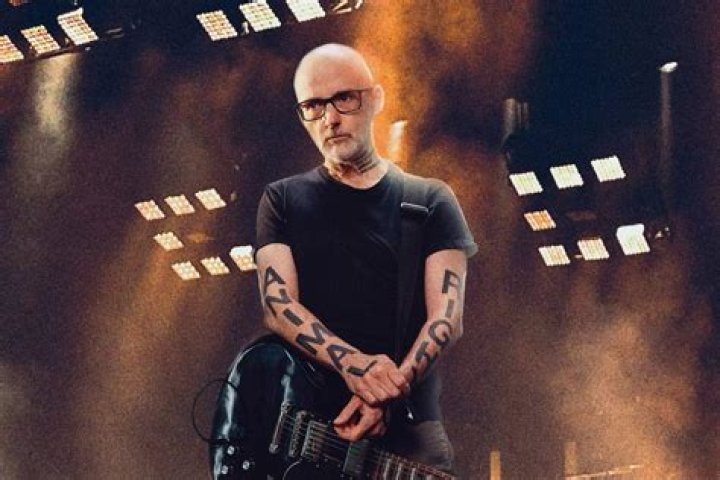
In the vast landscape of contemporary music, few artists have left as indelible a mark as Moby. Known for his unique fusion of electronic sounds and emotive melodies, Moby has carved out a niche that transcends genres. With a career spanning over three decades, he has not only shaped the electronic music scene but has also influenced countless musicians across various styles. His innovative approach to music production, combined with a commitment to social causes, has made him a compelling figure in both the music industry and popular culture. As an artist, Moby continues to evolve, pushing the boundaries of what is possible in sound.
Born Richard Melville Hall on September 11, 1965, in Harlem, New York City, Moby's journey into music began at a young age. He was raised by his mother, a church organist, who instilled in him a deep appreciation for music. Moby's eclectic influences range from punk rock to gospel, which have all played a pivotal role in shaping his distinctive sound. Over the years, he has released numerous albums, many of which have achieved critical and commercial success, solidifying his reputation as a pioneer in the electronic genre.
Beyond his musical endeavors, Moby is also an activist, advocating for animal rights, environmental issues, and social justice. His passion for these causes is reflected in his work and public appearances, making him not only a musician but also a voice for change. As we delve deeper into the life and career of Moby, we will explore his biography, musical achievements, and the impact he has had on the world of music and beyond.
What is Moby's Biography?
Moby's journey in the music industry is as fascinating as his sound. With roots in New York City, he emerged in the early 1990s, quickly gaining recognition for his innovative music style. His breakthrough album, "Play," released in 1999, was a game-changer, featuring hit singles like "Porcelain" and "Natural Blues." This album not only topped charts but also became the first album to have all its tracks licensed for use in film and television, showcasing Moby's influence on pop culture.
What Personal Details and Bio Data Can We Share About Moby?
| Detail | Information |
|---|---|
| Full Name | Richard Melville Hall |
| Date of Birth | September 11, 1965 |
| Birthplace | Harlem, New York City, USA |
| Genres | Electronic, Ambient, Dance, Rock |
| Occupation | Musician, DJ, Producer, Activist |
| Years Active | 1989 - Present |
| Notable Albums | Play, 18, Hotel, Wait for Me, Everything Was Beautiful, and Nothing Hurt |
How Did Moby Start His Music Career?
Moby's music career took off in the late 1980s when he began playing in various punk rock bands. However, it was his transition to electronic music that truly marked the beginning of his success. He released his first album, "Voodoo," in 1992, which showcased his experimentation with electronic sounds. This was followed by "Everything Is Wrong" in 1995, which received critical acclaim and set the stage for his later achievements.
What Are Moby's Most Iconic Songs?
Moby's discography is vast and varied, but several songs stand out due to their impact on both music and culture. Some of his most iconic tracks include:
- Porcelain - A hauntingly beautiful track that captures the essence of Moby's sound.
- Natural Blues - Featuring samples from the gospel singer Vera Hall, this song became a global hit.
- Why Does the Sun Shine? - A cover that showcases Moby's unique interpretation of classic songs.
- Lift Me Up - A powerful anthem that resonates with themes of hope and resilience.
What Impact Has Moby Had on Electronic Music?
Moby's influence on electronic music is undeniable. He played a crucial role in bringing electronic music into the mainstream, paving the way for future artists. His ability to blend different genres and styles has inspired a generation of musicians to explore new sounds and push creative boundaries. Moreover, his incorporation of samples from various musical traditions has helped to democratize music production, making it accessible to a broader audience.
How Has Moby Used His Platform for Activism?
In addition to his musical contributions, Moby is a dedicated activist. He has been vocal about issues such as animal rights, environmental conservation, and social justice. Moby's commitment to these causes is evident in his lifestyle choices, including his veganism, which he advocates for passionately. Through his music, writings, and public appearances, Moby has raised awareness about important issues, encouraging fans to engage in activism and make positive changes in their communities.
What Are Moby's Recent Projects?
As of late, Moby continues to create and collaborate with other artists, exploring new sounds and pushing the envelope of electronic music. His latest album, "Reprise," features orchestral reimaginings of some of his classic tracks, showcasing his versatility as an artist. Additionally, Moby remains active on social media, sharing insights into his creative process and engaging with fans worldwide. His relentless pursuit of innovation ensures that his music remains relevant in an ever-changing industry.
What Legacy Will Moby Leave Behind?
As we reflect on Moby's career, it is clear that his legacy extends beyond his music. He has redefined what it means to be an artist in the modern age, merging creativity with activism and social responsibility. Moby's ability to connect with listeners on an emotional level through his music has solidified his place in the hearts of fans around the globe. As he continues to create and inspire, Moby will undoubtedly leave a lasting impact on the music industry and the world at large.
Unraveling The Mystery: Who Bullied Aubreigh Wyatt?
Unraveling The Mystery Of The Molly Noblitt Stabbing
Karl Urban's Love Life: What To Expect In 2024
Moby Wikipedia
Interview with Moby
All That Moby Needs Is To Be Good NPR