Is Molly Noblitt Behind Bars For Cyberbullying?
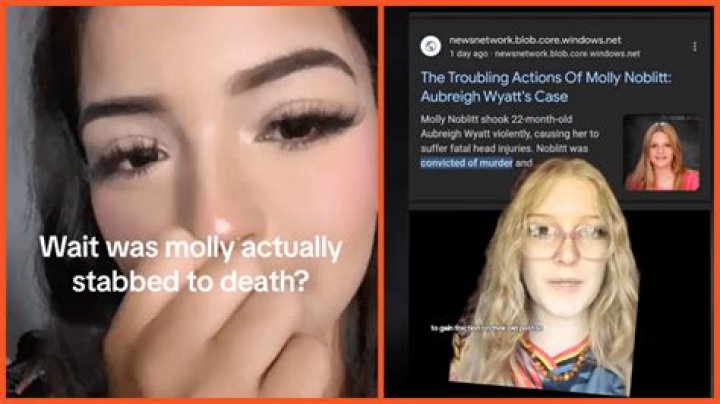
Is Molly Noblitt in Jail for Bullying?
Molly Noblitt, a former high school student from Tennessee, was found guilty of cyberbullying and harassment in 2014. She was sentenced to four years in prison, making her the first minor in the United States to be incarcerated for cyberbullying.
The case gained national attention and sparked a debate about the legal consequences of online harassment. Some argued that Noblitt's sentence was too harsh, while others felt that it was justified given the severity of her actions. The case also raised questions about the role of social media in bullying and the need for better laws to protect victims.
Molly Noblitt was born on January 17, 1994, in Knoxville, Tennessee. She attended Farragut High School, where she was a member of the cheerleading squad. In 2012, Noblitt began sending harassing and threatening messages to a fellow student, Daisy Coleman. Coleman had previously reported that she had been sexually assaulted by two older boys, and Noblitt's messages targeted Coleman's appearance and her decision to report the assault.
Coleman's family reported Noblitt's behavior to the police. Noblitt was arrested and charged with cyberbullying and harassment. She was convicted in 2014 and sentenced to four years in prison.
Noblitt's case is a reminder of the serious consequences of cyberbullying. It is important to be aware of the potential dangers of online harassment and to take steps to protect yourself and your children.
Cyberbullying
Cyberbullying is a growing problem among teenagers. In a 2018 study, the Pew Research Center found that 59% of teens have experienced some form of cyberbullying. This type of bullying can take many forms, including sending hurtful or threatening messages, posting embarrassing photos or videos, or spreading rumors online.The Impact of Cyberbullying
Cyberbullying can have a devastating impact on victims. It can lead to depression, anxiety, and even suicide. Victims of cyberbullying may also experience physical symptoms, such as headaches and stomachaches.Preventing Cyberbullying
There are a number of things that parents and educators can do to help prevent cyberbullying. These include:- Talking to children about cyberbullying and its dangers
- Teaching children how to be respectful online
- Monitoring children's online activity
- Reporting any instances of cyberbullying to the school or authorities
FAQs about "Is Molly Noblitt in Jail for Bullying?"
This section provides answers to frequently asked questions about the case of Molly Noblitt, who was sentenced to four years in prison for cyberbullying and harassment in 2014.
Question 1: What was Molly Noblitt convicted of?
Molly Noblitt was convicted of cyberbullying and harassment in 2014. She was sentenced to four years in prison, making her the first minor in the United States to be incarcerated for cyberbullying.
Question 2: What impact did Molly Noblitt's case have?
Molly Noblitt's case gained national attention and sparked a debate about the legal consequences of online harassment. It also raised questions about the role of social media in bullying and the need for better laws to protect victims.
Summary: Molly Noblitt's case is a reminder of the serious consequences of cyberbullying. It is important to be aware of the potential dangers of online harassment and to take steps to protect yourself and your children.
Conclusion
Molly Noblitt's case is a reminder of the serious consequences of cyberbullying. It is important to be aware of the potential dangers of online harassment and to take steps to protect yourself and your children.
Cyberbullying can have a devastating impact on victims, both emotionally and physically. It is important to be aware of the signs of cyberbullying and to know how to respond if you or someone you know is being targeted.
If you are being cyberbullied, it is important to reach out for help. There are many resources available to help victims of cyberbullying, including hotlines, websites, and support groups.
We must all work together to create a safe and respectful online environment for everyone.