Exploring The Enigma Of The Mandela Clone
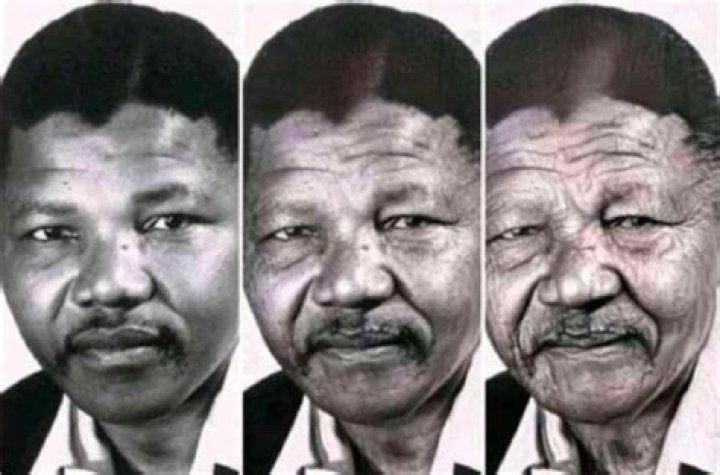
The concept of the "Mandela clone" has intrigued many, sparking discussions about identity, memory, and the nature of reality itself. It stems from the phenomenon known as the Mandela Effect, where a large group of people remembers an event or detail differently than how it occurred. This peculiar discrepancy has led to the idea that there may be a 'clone' or alternate version of Nelson Mandela in the minds of those who believe he died in prison in the 1980s, despite his actual passing in 2013. This phenomenon has opened up conversations about collective memory and the implications of shared beliefs.
As we delve deeper into the Mandela clone, we uncover a fascinating intersection between psychology and cultural narratives. The Mandela Effect has not only intrigued psychologists but has also sparked the imaginations of conspiracy theorists, leading them to ponder the existence of parallel universes or alternate realities. Could it be that our understanding of history is more fluid than we realize? This article aims to explore the various dimensions of the Mandela clone, examining its implications on personal and collective identities.
In this exploration, we will also address the psychological aspects of memory and perception, discussing why so many people remember events differently. The Mandela clone serves as a metaphorical lens through which we can examine how our memories shape our understanding of the world. Join us as we embark on a journey to uncover the layers of meaning behind this captivating phenomenon.
What is the Mandela Effect?
The Mandela Effect is a term coined by Fiona Broome, who discovered that she, along with many others, falsely remembered Nelson Mandela dying in prison during the 1980s. In reality, Mandela was released in 1990 and passed away in 2013. This collective misremembering sparked interest in how shared false memories can emerge and thrive within societies.
How Does the Mandela Effect Relate to the Mandela Clone?
The idea of the Mandela clone directly correlates with the Mandela Effect, as it embodies the notion that different versions of reality exist in people's minds. When individuals recall events or details differently, it raises questions about the reliability of memory and the possibility that our perceptions can be influenced by external factors. The Mandela clone serves as an illustrative example of how collective memory can diverge from factual history.
Can the Mandela Clone Be Explained Scientifically?
Many psychologists and neuroscientists have attempted to explain the Mandela Effect through various cognitive theories, such as:
- Confabulation: The brain fills in gaps in memory with fabricated details, creating a false narrative.
- Social Reinforcement: When a large group of people shares a memory, it can reinforce the belief in its accuracy, regardless of its truth.
- Misattribution of Memory: Individuals may confuse the source of their memories, leading to inaccuracies in recollection.
- Priming: Exposure to certain information can lead individuals to recall related concepts, even if they are incorrect.
Who Was Nelson Mandela?
To fully understand the significance of the Mandela clone, it's essential to explore the life of Nelson Mandela himself. He was a prominent anti-apartheid revolutionary in South Africa and became the country's first black president from 1994 to 1999. His legacy is defined by his commitment to justice, equality, and reconciliation, making him an enduring symbol of hope and resilience.
| Personal Details | Bio Data |
|---|---|
| Full Name: | Nelson Rolihlahla Mandela |
| Date of Birth: | July 18, 1918 |
| Date of Death: | December 5, 2013 |
| Occupation: | Anti-Apartheid Revolutionary, Politician, Philanthropist |
| Political Party: | African National Congress (ANC) |
| Notable Achievements: | Nobel Peace Prize, Presidential Medal of Freedom |
What Impact Did Nelson Mandela Have on Society?
Mandela's influence transcended borders, inspiring movements for freedom and equality worldwide. His advocacy for human rights and reconciliation has left an indelible mark on the global community. The Mandela clone, as a concept, draws on this profound impact, illustrating how collective memory continues to shape perceptions of Mandela's legacy.
How Can We Understand the Mandela Clone Phenomenon?
Understanding the Mandela clone phenomenon requires a multifaceted approach. It involves examining how memory operates at both the individual and collective levels. By analyzing cultural narratives, social influences, and psychological principles, we can gain insight into why a significant number of people believe in alternate realities surrounding historical figures like Mandela.
Is the Mandela Clone a Reflection of Our Society?
The Mandela clone phenomenon can be seen as a reflection of contemporary society's struggles with misinformation and the fluidity of truth. In an age where information is rapidly disseminated, and narratives can shift overnight, the collective memory of historical figures can become warped. The Mandela clone serves as a cautionary tale about the importance of critical thinking and the need to question the information that shapes our understanding of the past.
What Can We Learn from the Mandela Clone?
Ultimately, the Mandela clone phenomenon invites us to reflect on the nature of memory and identity. It encourages us to consider how our perceptions of reality are influenced by shared beliefs and cultural narratives. By understanding the psychological mechanisms behind the Mandela Effect, we can better navigate the complexities of memory and the importance of preserving accurate historical accounts.
Conclusion: The Legacy of the Mandela Clone
In conclusion, the Mandela clone serves as a powerful metaphor for the intricacies of memory, identity, and historical interpretation. It challenges us to question our perceptions and to seek a deeper understanding of the past. As we continue to explore the implications of the Mandela Effect and the concept of the Mandela clone, we must remain vigilant in our pursuit of truth and strive to honor the legacy of figures like Nelson Mandela, whose impact on the world will forever resonate.
Unveiling Jakerman: The Man Behind The Myth
Behind The Mic: The Inspiring Journey Of Golf Announcer Amanda
Unveiling The Life And Legacy Of Laura Wright