Debunking The Myth: Britney Griner's Gender Identity Refuted
The question of "Brittney Griner born a male?" has sparked controversy and debate in recent times, particularly in relation to her gender identity, athletic achievements, and the complexities of gender and identity in sports.
Brittney Griner, a prominent basketball player, publicly identifies as a woman and uses she/her pronouns. However, some individuals have questioned her gender identity based on her physical appearance and athleticism, suggesting that she was born male. These claims are rooted in outdated and harmful stereotypes about gender and athletic ability, and they perpetuate the idea that there is only one "correct" way to be a woman or to participate in sports.
The debate surrounding Brittney Griner's gender identity highlights the importance of respecting individuals' self-identified gender and recognizing the diversity of human experiences. It also underscores the need to challenge narrow and discriminatory views of gender and to create a more inclusive and equitable society for all.
As we continue to explore the complexities of gender and identity, it's crucial to approach these discussions with sensitivity, respect, and a commitment to understanding the lived experiences of transgender and non-binary individuals.
Frequently Asked Questions about "Brittney Griner Born a Male?"
This section addresses common concerns and misconceptions regarding Brittney Griner's gender identity and the broader topic of transgender and non-binary identities.
Question 1: Is it appropriate to question someone's gender identity?
No, it is not appropriate to question someone's gender identity. Gender identity is a deeply personal and individual experience, and it is disrespectful to invalidate or challenge someone's self-identified gender.
Question 2: Is it fair for transgender athletes to compete in sports?
Yes, transgender athletes should be allowed to compete in sports consistent with their gender identity. Excluding transgender athletes from sports perpetuates discrimination and sends the harmful message that transgender people are not welcome or valued in society.
Question 3: What is the difference between sex and gender?
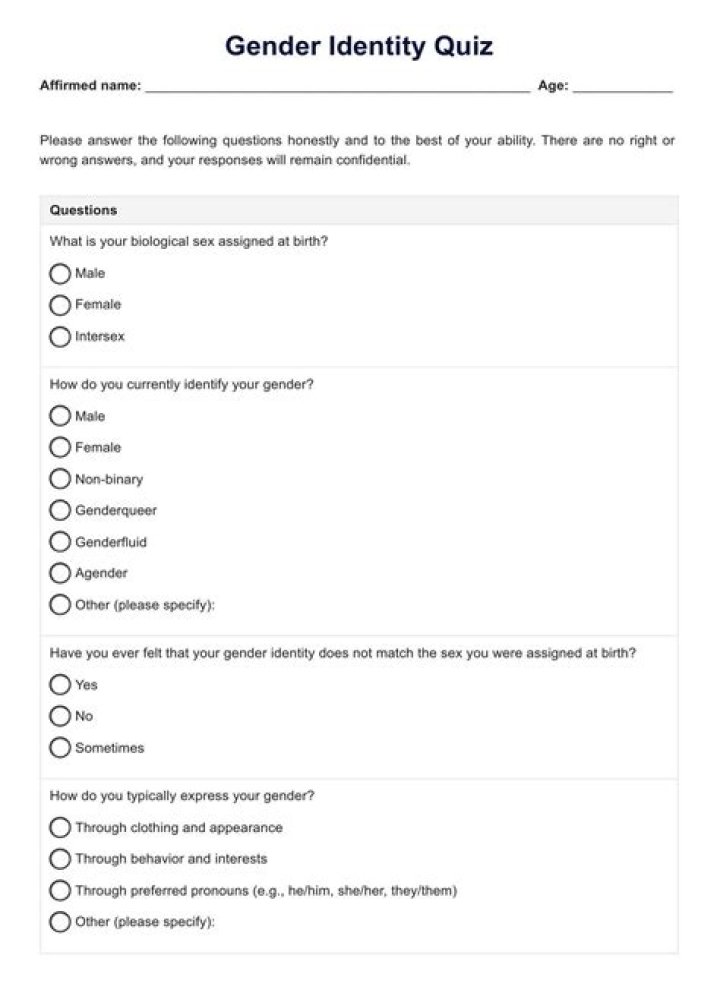
Sex typically refers to the biological and physiological characteristics that define someone as male, female, or intersex. Gender, on the other hand, refers to an individual's self-identified sense of being male, female, non-binary, or another gender identity.
Question 4: Why is it important to respect transgender and non-binary identities?
Respecting transgender and non-binary identities is essential for creating an inclusive and equitable society. It recognizes the diversity of human experiences and affirms the rights and dignity of all individuals, regardless of their gender identity.
Question 5: What are the potential consequences of misgendering someone?
Misgendering someone can have serious consequences, including their mental health and well-being. It can also create a hostile and unwelcoming environment for transgender and non-binary people.
Question 6: How can I be a better ally to transgender and non-binary people?
To be a better ally, it is important to educate yourself about transgender and non-binary identities, listen to the experiences of transgender and non-binary people, and use respectful language and pronouns.
Summary:
Understanding and respecting transgender and non-binary identities is crucial for building a more inclusive and just society. It is essential to approach these discussions with sensitivity, empathy, and a commitment to learning.
Transition to the Next Article Section:
The following section will explore the historical context and ongoing challenges faced by transgender and non-binary individuals, particularly in the areas of healthcare, employment, and legal rights.
Conclusion
The exploration of "Brittney Griner born a male?" has highlighted the complexities of gender identity, the importance of respecting individuals' self-identified gender, and the need to challenge narrow and discriminatory views of gender.
As we continue to evolve our understanding of gender and identity, it is imperative that we approach these discussions with sensitivity, respect, and a commitment to creating a more inclusive and equitable society for all. This means respecting transgender and non-binary individuals' right to self-identify their gender, to be treated with dignity and respect, and to have their experiences and identities recognized and valued.
Facts Uncovered: Is Brittney Griner's Gender Identity A Hoax?
Is Brittany Griner A Male? An Examination Of Gender Identity And Athleticism
Justin Bieber's Untimely Passing: A Musical Icon's Demise
Brittney Griner Found Guilty by Russian Court The New York Times
Brittney Griner’s Guilty Verdict Strengthens Supporters’ Resolve The